The Eames Barcelona Chair design mastery represents one of the highest achievements in modern furniture history. From the moment it was introduced, the chair stood as a symbol of refined taste, intelligent structure, and thoughtful creativity. 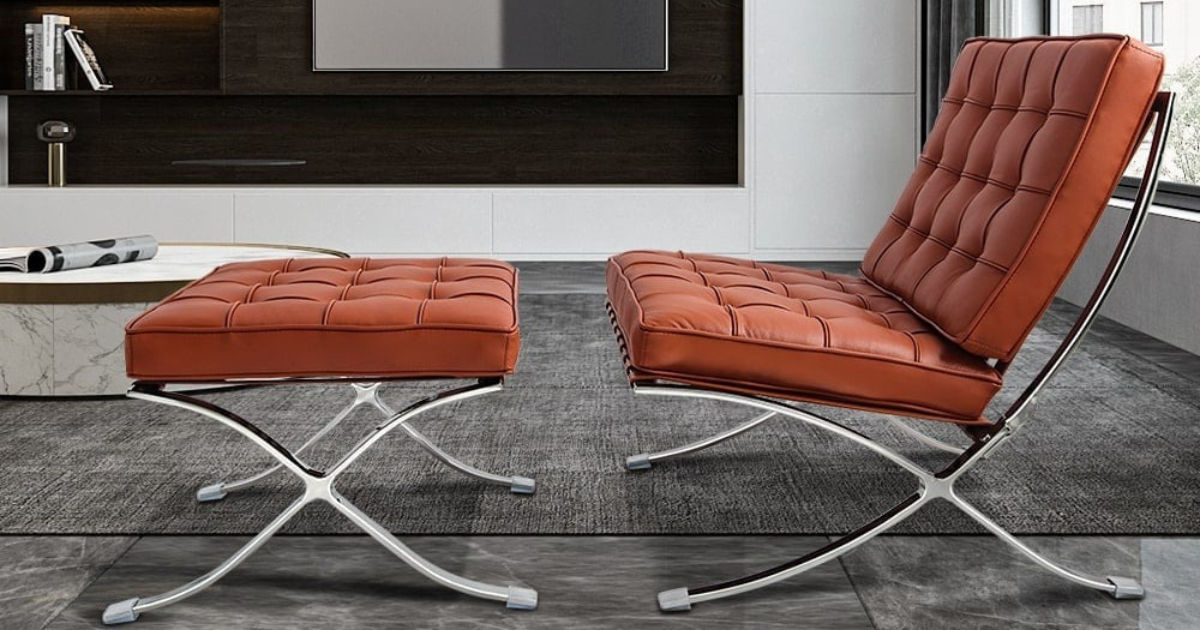 Designers, architects, and everyday design lovers continue to admire how this chair balances beauty and function. The story behind it is not just about a seat, but about how design can express ideas, values, and craftsmanship.
This guide explores the Eames Barcelona Chair design mastery in detail. It explains its design philosophy, structure, materials, comfort, and cultural importance. Written in simple language, this article helps readers understand why this chair is still celebrated today.
The Origins of a Design Icon
The Eames Barcelona Chair design mastery began with a vision to create furniture that reflected modern life. Charles and Ray Eames believed that good design should solve problems while remaining visually appealing. Their approach was different from traditional furniture design, which often focused on decoration over purpose.
The Barcelona Chair was created during a time when designers were rethinking how people lived and interacted with objects. Homes were becoming simpler, and furniture needed to adapt. The Eames Barcelona Chair design mastery reflects this shift by combining clean lines with practical comfort.
The chair was not designed to follow trends. Instead, it aimed to set a new standard. That decision is a major reason why the chair remains relevant decades later.
Design Philosophy Behind the Chair
At the heart of the Eames Barcelona Chair design mastery is a clear philosophy: form and function must work together. Every curve, angle, and joint serves a purpose. Nothing is added just for decoration.
The designers focused on honesty in materials. Leather looks like leather. Metal looks like metal. This honesty creates trust between the object and the user. The Eames Barcelona Chair design mastery shows that when materials are respected, the result feels timeless.
Another key idea was accessibility. While the chair looks luxurious, its design language is easy to understand. Even a 12th-grade student can look at it and see how the parts connect. This clarity is part of the Eames Barcelona Chair design mastery.
Structural Balance and Proportion
Proportion plays a huge role in the Eames Barcelona Chair design mastery. The seat height, backrest angle, and arm positioning are carefully measured. These choices create balance and stability.
The chair does not feel bulky or heavy. Instead, it appears light, even though it is strong. This visual balance makes it suitable for both large rooms and smaller spaces. The Eames Barcelona Chair design mastery proves that good proportion can make furniture adaptable.
The base of the chair supports the body evenly. Weight distribution is smooth, which improves comfort and durability. This structural intelligence is one of the strongest examples of Eames Barcelona Chair design mastery.
Material Selection and Quality
Materials are central to the Eames Barcelona Chair design mastery. The combination of premium leather and polished metal creates a contrast that feels both warm and modern.
The leather is carefully chosen for softness and strength. Over time, it develops character without losing comfort. This aging process adds value, showing how the Eames Barcelona Chair design mastery considers long-term use.
The metal frame is designed to resist wear. Its smooth finish reflects light gently, adding elegance without being flashy. Together, these materials express the core idea of Eames Barcelona Chair design mastery: beauty through quality.
Craftsmanship and Attention to Detail
Craftsmanship defines the Eames Barcelona Chair design mastery. Each stitch, seam, and joint is carefully executed. This attention to detail ensures that the chair feels complete from every angle.
The cushions are evenly padded to support the body. They are attached securely while still appearing to float. This visual lightness is another example of Eames Barcelona Chair design mastery.
Nothing feels rushed or careless. The chair rewards close inspection. Even small details reflect thoughtful planning, proving that Eames Barcelona Chair design mastery is about precision as much as creativity.
Comfort Without Compromise
Comfort is a key part of the Eames Barcelona Chair design mastery. The chair supports the natural curve of the spine. The seat depth allows relaxed seating without strain.
Unlike many modern chairs that sacrifice comfort for style, this chair achieves both. The cushions respond to the body, making long periods of sitting enjoyable. This balance highlights the Eames Barcelona Chair design mastery in practical terms.
The armrests are placed at a natural height. They reduce tension in the shoulders and arms. These ergonomic choices show how the Eames Barcelona Chair design mastery focuses on real human needs.
Simplicity as a Design Strength
Simplicity is not weakness. In the Eames Barcelona Chair design mastery, simplicity becomes strength. The design avoids unnecessary features. What remains is clear and purposeful.
This simplicity allows the chair to fit into many interior styles. Whether placed in a modern home or a classic office, it feels appropriate. The Eames Barcelona Chair design mastery adapts without losing identity.
Simple design also makes maintenance easier. Fewer parts mean fewer problems. This practical benefit reinforces the intelligence behind the Eames Barcelona Chair design mastery.
Influence on Modern Furniture Design
The Eames Barcelona Chair design mastery influenced generations of designers. Its clean lines and functional elegance became a reference point in design schools and studios.
Many modern chairs borrow ideas from its structure and proportions. While not all copies succeed, the original remains unmatched. This lasting influence is proof of Eames Barcelona Chair design mastery.
Designers continue to study this chair to understand how simplicity, comfort, and beauty can coexist. Its impact goes beyond furniture, shaping how people think about design as a whole.
Cultural and Artistic Significance
Beyond function, the Eames Barcelona Chair design mastery holds cultural value. It represents a moment when design embraced modern life. It reflects optimism, progress, and creativity.
Museums and galleries display the chair as a work of art. This recognition shows how the Eames Barcelona Chair design mastery crosses boundaries between design and culture.
The chair often appears in films, magazines, and photographs. Its presence communicates taste and sophistication. This symbolic power adds another layer to the Eames Barcelona Chair design mastery.
Versatility in Interior Spaces
One reason for the lasting appeal of the Eames Barcelona Chair design mastery is versatility. The chair works in living rooms, offices, libraries, and waiting areas.
Its neutral design allows it to blend with different colors and textures. Whether surrounded by wood, glass, or concrete, it maintains its character. This flexibility is part of the Eames Barcelona Chair design mastery.
Interior designers appreciate how easily the chair becomes a focal point. It attracts attention without overwhelming the space, showing the balance at the core of Eames Barcelona Chair design mastery.
Durability and Longevity
Durability is often overlooked in design discussions, but it is essential to the Eames Barcelona Chair design mastery. The chair is built to last for decades.
High-quality materials and solid construction prevent early wear. Many original chairs are still in use today. This long lifespan proves the practical success of Eames Barcelona Chair design mastery.
Longevity also makes the chair sustainable. Fewer replacements mean less waste. This environmental benefit aligns with the thoughtful values behind Eames Barcelona Chair design mastery.
Emotional Connection and User Experience
The Eames Barcelona Chair design mastery creates an emotional response. Sitting in the chair feels special. It invites relaxation and reflection.
Users often describe a sense of calm and confidence when using it. This emotional comfort goes beyond physical support. It reflects how Eames Barcelona Chair design mastery considers the human experience.
Design that connects emotionally tends to last. The chair becomes more than furniture. It becomes part of daily life, reinforcing the value of Eames Barcelona Chair design mastery.
Why the Design Still Feels Modern
Despite its age, the Eames Barcelona Chair design mastery feels modern today. This timeless quality comes from its focus on fundamentals rather than trends.
The clean lines and honest materials remain relevant. Modern interiors still value these qualities. This consistency shows the foresight behind Eames Barcelona Chair design mastery.
By avoiding short-lived styles, the chair stays fresh. This ability to remain current is a hallmark of Eames Barcelona Chair design mastery.
Lessons Designers Can Learn
The Eames Barcelona Chair design mastery offers valuable lessons. It teaches that good design starts with understanding people.
It also shows the importance of respecting materials. When materials are used well, design feels authentic. This principle is central to Eames Barcelona Chair design mastery.
Finally, it reminds designers to value simplicity. Clear ideas often lead to the strongest results. These lessons keep the Eames Barcelona Chair design mastery relevant in education and practice.
Conclusion
The Eames Barcelona Chair design mastery is not just about a chair. It is about a way of thinking. It shows how design can be simple, comfortable, and meaningful at the same time.
Every element, from structure to material, reflects thoughtful decision-making. The chair proves that when form and function work together, the result can last for generations. This is the true essence of Eames Barcelona Chair design mastery.
For students, designers, and everyday users, the chair offers inspiration. It encourages us to value quality, clarity, and purpose. That is why the Eames Barcelona Chair design mastery continues to stand as a benchmark in modern design history.
About the Author

